










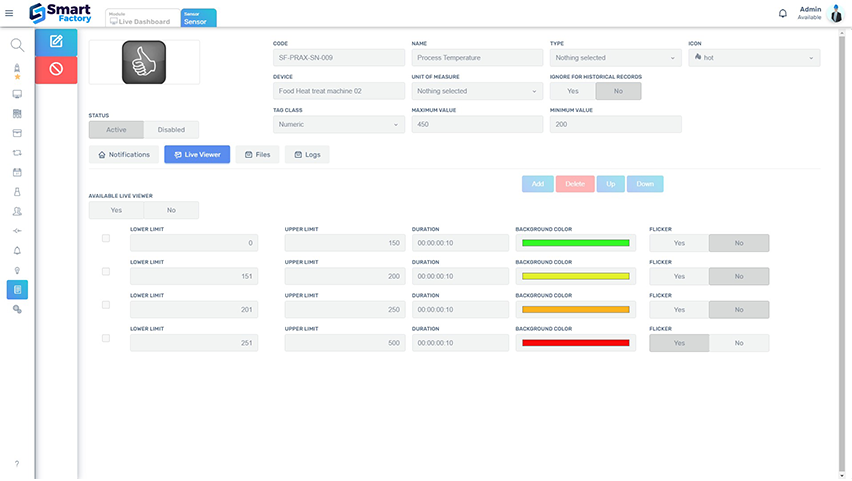
Smart Factory MOM software combines IoT data reading, real-time dashboards, OEE (Overall Equipment Effectiveness) tracking, add-on reports, production scheduling, MES (Manufacturing Execution System), Asset Management, and Workforce Management to optimize your manufacturing operations.
Learn More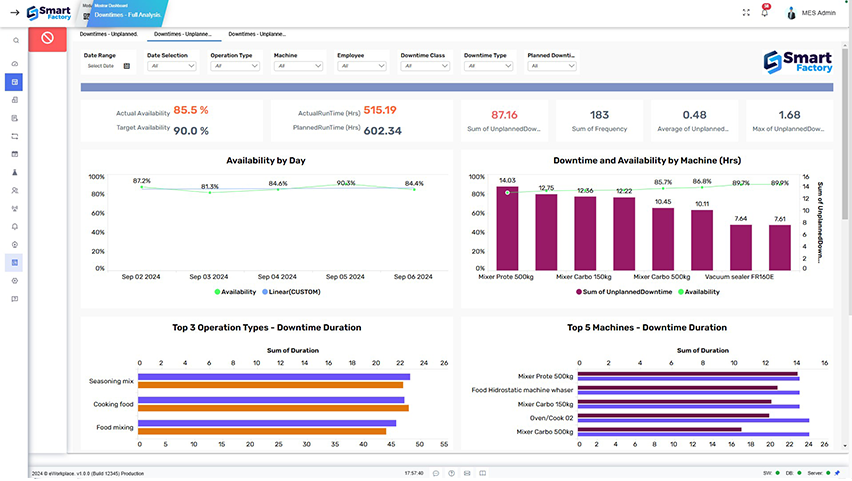
With Smart Factory MOM Analytics, you can monitor your factory's performance in real-time, identify bottlenecks, and make data-driven decisions to improve efficiency. Our OEE tracking feature allows to measure and optimize machine and production line performance, with add-on reports for quick issue resolution.
Learn More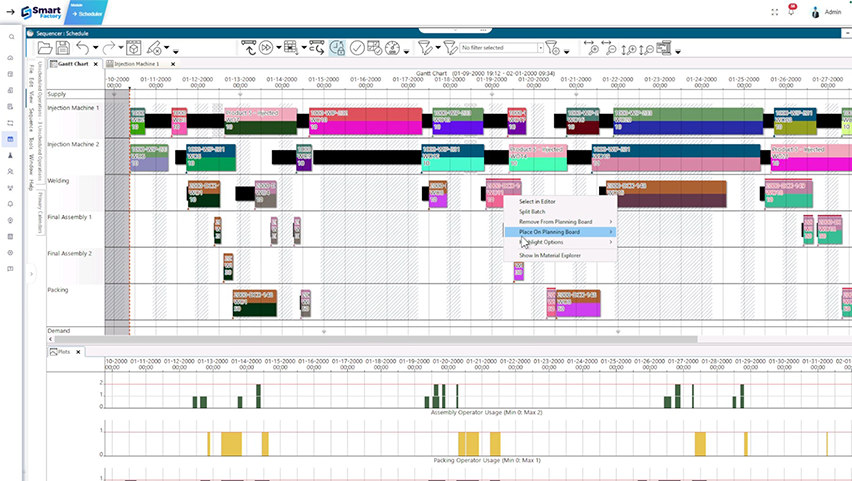
Smart Factory MOM production scheduling software ensures that your resources are optimized, orders are delivered on time, and idle is minimized.
Learn More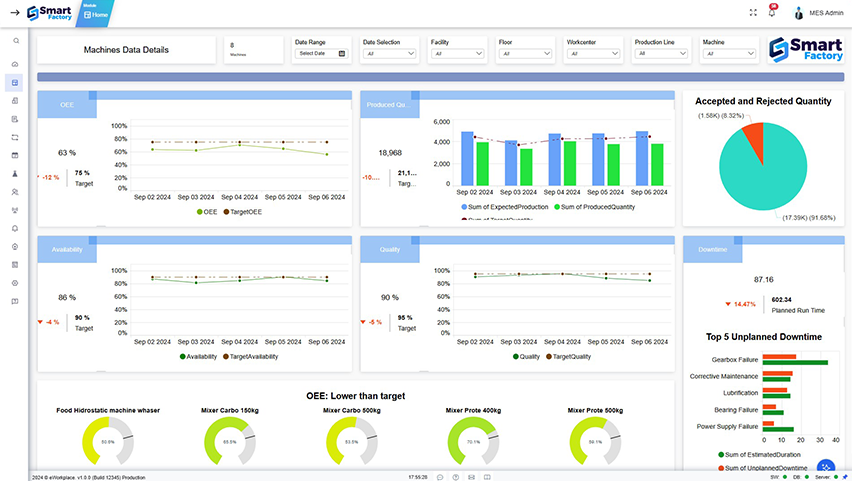
Smart Factory MOM OEE (Overall Equipment Efficiency) software offers dynamic calculation and traceability with real-time visualization. Fully integrated with production modules, IIoT, and control panels, it allows for perfect performance monitoring.
Learn More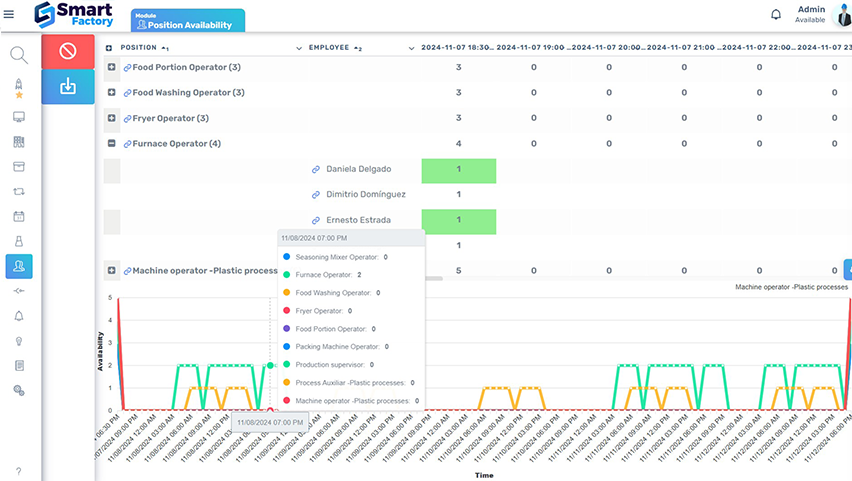
You can also efficiently manage your assets, track their performance, and streamline your workforce with Smart Factory MOM Workforce Management tools.
Learn More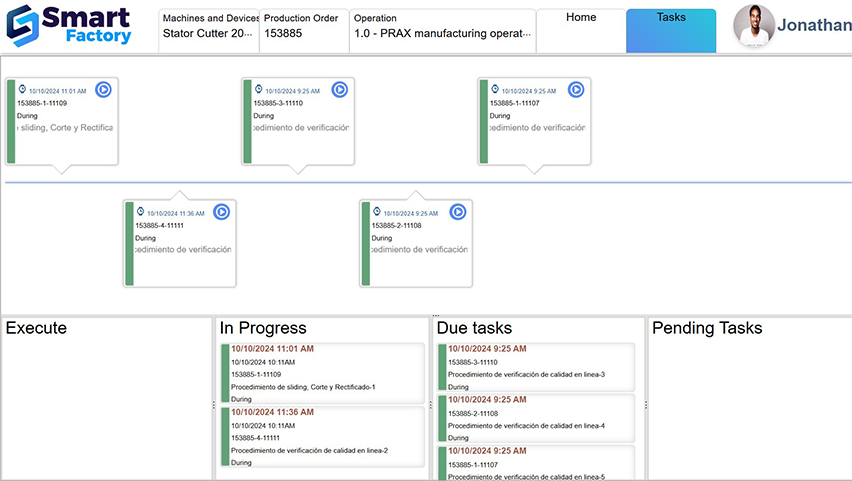
Smart Factory MOM e-SOPs (electronic standard operating procedures) provide you with guided execution while supporting dynamic transactions. With our SOPs and their capabilities, operators can follow digitalized workflows, with real-time traceability of any step executed.
Learn More
IOT
Smart Factory MOM software combines IoT data reading, real-time dashboards, OEE (Overall Equipment Effectiveness) tracking, add-on reports, production scheduling, MES (Manufacturing Execution System), Asset Management, and Workforce Management to optimize your manufacturing operations.
Learn More
Analytics
With Smart Factory MOM Analytics, you can monitor your factory's performance in real-time, identify bottlenecks, and make data-driven decisions to improve efficiency. Our OEE tracking feature allows to measure and optimize machine and production line performance, with add-on reports for quick issue resolution.
Learn More
Scheduling
Smart Factory MOM production scheduling software ensures that your resources are optimized, orders are delivered on time, and idle is minimized.
Learn More
OEE
Smart Factory MOM OEE (Overall Equipment Efficiency) software offers dynamic calculation and traceability with real-time visualization. Fully integrated with production modules, IIoT, and control panels, it allows for perfect performance monitoring.
Learn More
Workforce
You can also efficiently manage your assets, track their performance, and streamline your workforce with Smart Factory MOM Workforce Management tools.
Learn More
OMS
Smart Factory MOM e-SOPs (electronic standard operating procedures) provide you with guided execution while supporting dynamic transactions. With our SOPs and their capabilities, operators can follow digitalized workflows, with real-time traceability of any step executed.
Learn More


Improved Overall Equipment Efficiency (OEE), leading to increased equipment productivity and performance.

Increased production output and reduced cycle times, resulting in higher manufacturing efficiency and productivity.

Reduced downtime and increased uptime, improving equipment reliability and availability.

Enhanced product quality and yield rates, reducing waste and improving customer satisfaction.

Optimized labor productivity, leading to better workforce utilization and increased production efficiency.

Improved asset utilization, resulting in higher efficiency and effectiveness of production assets.

Higher on-time delivery rates, leading to improved customer satisfaction and increased customer loyalty.

Cost reduction through decreased material waste, reduced downtime, and optimized resource utilization.

Enhanced real-time visibility into production processes, leading to better decision-making and responsiveness to production issues.

10-20%Increased Production Efficiency
With Smart Factory MOM, you can expect a reduction in production cycle times, resulting in higher throughput and increased output.

20-40%Enhanced Quality and Compliance
Smart Factory MOM helps improve product quality and compliance, leading to a reduction in defects and non-conformances.

10-20%Enhanced Labor Productivity
Smart Factory MOM helps optimize workforce management, potentially improving labor productivity.

15-30%Reduced Scrap and Rework
With Smart Factory MOM, you can expect a reduction in scrap and rework costs by identifying and addressing process inefficiencies.
Real-time data collection
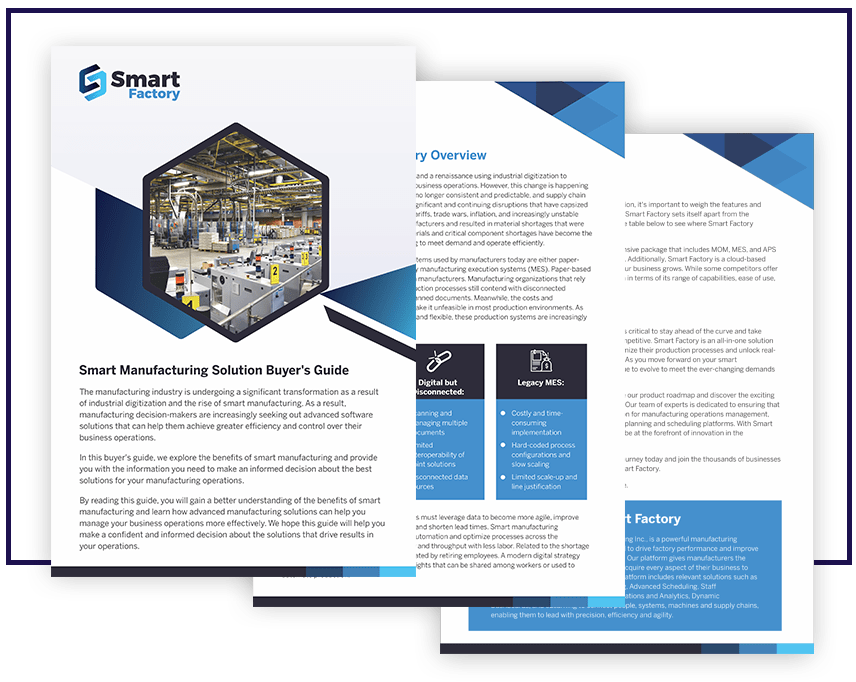
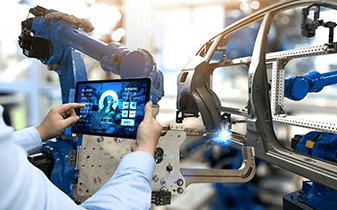
Machine connectivity enables real-time data collection from equipment, providing insights for monitoring and decision-making.
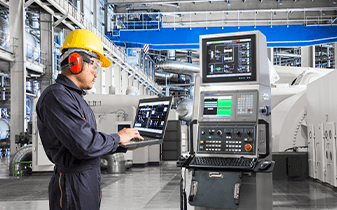
Remote monitoring and control
Machine connectivity enables remote management of production processes, improving operational efficiency and agility.

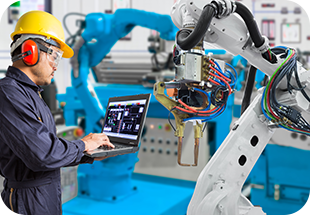
Improved productivity
Machine connectivity automates data capture, reducing manual tasks, and providing accurate data for analysis.

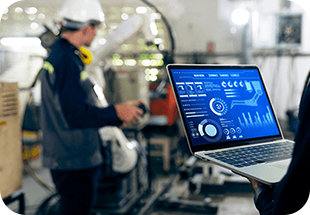
Enhanced visibility
Machine connectivity provides real-time visibility into production processes for better decision-making and issue resolution.
MOM


MES

APS
IIOT

ERP vs MES: Difference, and Importance in Modern Manufacturing
The manufacturing ecosystem is flooded with advanced technologies and software that improve efficiency and overall output. ERP and MES are two of those advanced tools that simplify manufacturing challenges in many ways.
Learn moreNew

How to Create SOP in Manufacturing? Explained with a Real-Time Example.
The current industrial landscape is undoubtedly challenging, as in any business, regardless of its nature, aspects such as accuracy, consistency, and efficiency are considered non-negotiable. Achieving these three areas and, at the same time, achieving a goal can be a complex task without the right tools in action.
Learn moreNew

How to Prevent Manufacturing Defects: Types, Causes and Prevention Strategies
Manufacturing defects are nonconformities and flaws in product materials, design, assembly, or performance that occur during the manufacturing process. The cause of a manufacturing defect is errors in processes, materials, equipment, or human execution.
Learn moreNew

An Advanced Guide on How to Calculate OEE
OEE (Overall Equipment Effectiveness) is a manufacturing metric that measures how effectively a production asset runs compared to its full potential. OEE calculation brings data-driven precision to manufacturing performance. In every manufacturing unit, OEE metrics enable operators to see if the machinery assets are working to their best capacity and analyze their performance.
Learn more
Manufacturing Dashboards: A Complete Guide to Real-Time Production Monitoring
Real-Time manufacturing dashboard reflects the entire production operation on a single screen for better visibility, control, and efficiency on the shop floor.
Learn more
Line Balancing in Manufacturing: Benefits, Methods and Step-by-Step Approach
Imagine walking onto your shop floor and knowing exactly how every machine, line, and operator is performing, not from yesterday's report, but from data that refreshed seconds ago.
Learn more